
Not another data room
The problem: storage is not analysis
Traditional diligence still runs on a storage-first model.
Files arrive in a virtual data room. The team downloads, opens, renames, classifies, and reads them manually. Findings then get rewritten into spreadsheets, issue trackers, and email threads. By the time a view of risk exists, it has already been separated from the source clauses and data points that produced it.
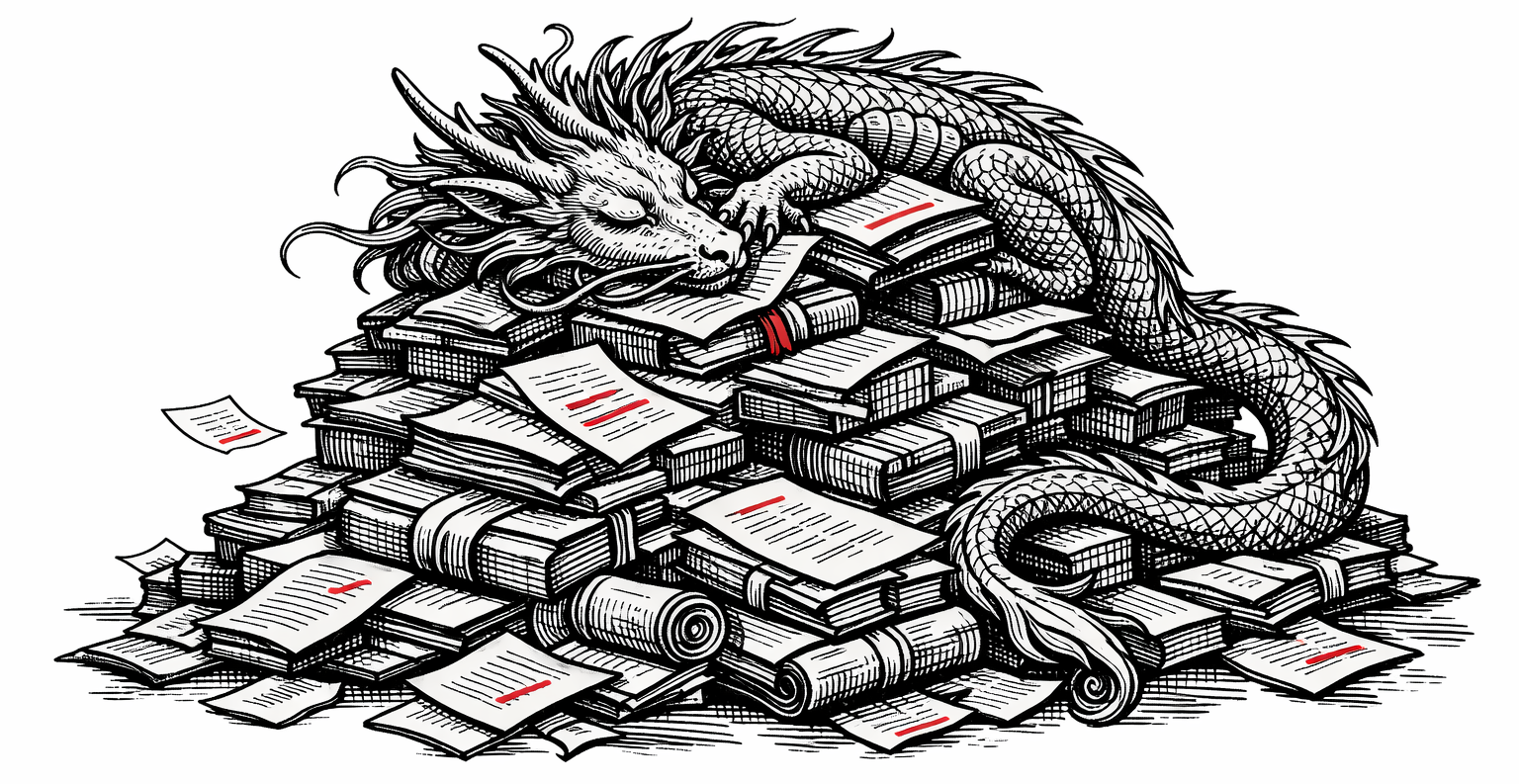
That model breaks in three predictable ways:
- Extraction work repeats on every deal. Analysts keep pulling the same dates, parties, clauses, ownership data, and financial metrics out of similar documents.
- Findings fragment immediately. The issue list, the evidence, and the internal discussion diverge into different systems.
- Judgement loses context. Senior reviewers inherit conclusions without a tight path back to the source evidence.
What Colabra changes
Colabra is designed around the idea that evidence should become working output the moment it arrives.
| AI workspace | Data room |
|---|---|
| Reads and extracts data | Stores files in folders |
| Classifies by document type | Organises by folder tree |
| Tracks what evidence says | Tracks who accessed what |
| Produces findings and entities | Leaves analysis to humans |
| Links findings to clauses | Leaves findings in spreadsheets |
The important difference is not “faster upload” or “better search.” It is that Colabra turns the evidence base into a working diligence system:
- a clause-linked risk register
- an org structure / entity map
- a live gap analysis
Why that matters in practice
These outputs transform the economics of the first 24 hours of a deal, and support it all the way to successful integration.
- The team starts from a first set of findings instead of a blank tracker.
- Missing evidence becomes visible before the report draft.
- Entity screening and org-structure questions stop living outside the file review flow.
- Reports start from grounded output rather than analyst scratch notes.
Colabra does not remove human judgement. Rather, it removes error-prone grunt work and disjointed documentation so judgement can happen earlier and against better context.